


When investors search for the best return mutual fund, they often focus on one number—the highest past return. But a strong investment decision needs more than a return figure. Risk, investment horizon, consistency, portfolio quality, and your financial goals all matter.
At MintWise, mutual fund planning focuses on helping investors connect their investments with their goals, risk profile, and time horizon. Instead of simply chasing the highest-performing fund, investors can build a more structured approach to long-term wealth creation.
What Makes a Mutual Fund a Good Choice?
A mutual fund should not be judged only by how much it has earned recently. A better approach is to understand how the fund has performed across different market conditions and whether its risk level suits your investment plan.
Consistent Performance
Consistency can be more meaningful than one exceptional year. A fund that has delivered competitive performance across different market cycles may deserve closer attention than one that has only recently performed well.
Risk and Return Balance
Higher return potential usually comes with higher risk. Before choosing a fund, consider whether you are comfortable with the possible fluctuations in its value and whether the risk matches your financial situation.
Investment Horizon
Your investment horizon can influence which type of mutual fund may be suitable. Equity-oriented funds are generally more appropriate for investors who can stay invested for the long term and handle market volatility.
Best Return Mutual Fund: Look Beyond Past Returns
Past performance can provide useful information, but it does not guarantee future results. Investors should examine several factors together before selecting a mutual fund.
Rolling Returns
Rolling returns can help investors understand how a fund performed over multiple overlapping periods instead of relying on a single start and end date. This can provide a broader view of performance consistency.
Benchmark Comparison
A fund’s performance should also be compared with its appropriate benchmark. This helps investors understand whether the fund has added value compared with the market segment it represents.
Expense Ratio
The expense ratio represents the costs charged for managing a mutual fund scheme. Over a long investment period, even small differences in costs can affect the amount that ultimately remains invested.
How to Identify the Best Return Mutual Fund for Your Goal
There is no single mutual fund that can be called the best choice for every investor. Your goal should come first, followed by the investment strategy.
Step 1: Define Your Financial Goal
Start by identifying what you are investing for—retirement, children’s education, buying a home, wealth creation, or another long-term objective. A clear goal makes it easier to decide how much you need to invest and for how long.
Step 2: Understand Your Risk Profile
Your risk profile reflects how much market volatility you can financially and emotionally handle. Understanding this can help you avoid selecting a fund simply because it has delivered a high historical return.
Step 3: Choose the Appropriate Fund Category
Different mutual fund categories have different risk and return characteristics. Large-cap, mid-cap, small-cap, hybrid, debt, and other categories may serve different investment requirements.
Step 4: Review the Fund Properly
Look at performance consistency, portfolio composition, fund management, costs, risk measures, and benchmark performance. This creates a more complete picture than looking at returns alone.
Best Return Mutual Fund: Why Market Cycles Matter
Markets do not move in a straight line. Equity funds can experience periods of strong growth as well as significant declines. A fund that performs well during one market phase may not necessarily remain the top performer in another.
For this reason, investors should avoid making decisions based only on recent rankings. A long-term investment strategy should be based on suitability, diversification, and the investor’s ability to remain invested during market fluctuations.
A Simple Way to Compare Mutual Funds
Instead of asking only, “Which mutual fund gives the highest return?”, consider asking these questions:
Return
How has the fund performed over different periods compared with its benchmark and category?
Risk
How much volatility has the fund experienced, and does that level of risk suit you?
Consistency
Has the fund maintained reasonable performance across different market conditions?
Portfolio
What companies, securities, or asset classes does the fund invest in, and does the portfolio fit your strategy?
Cost
Are the expenses reasonable for the type of fund and the services provided?
This approach can help investors make more informed decisions rather than chasing short-term performance.
Best Return Mutual Fund for Different Investment Goals
The right choice can vary depending on what you want to achieve.
Wealth Creation
For long-term wealth creation, investors with suitable risk capacity may consider equity-oriented mutual funds. The longer horizon can provide more time to manage short-term market fluctuations.
Retirement Planning
Retirement investing generally requires a long-term approach. The investment strategy should consider your expected retirement age, required corpus, inflation, and risk tolerance.
Child Education
Education is a goal where future costs can be significantly higher than today’s expenses. Starting early and aligning investments with the time available can make the goal more manageable.
Shorter-Term Goals
For shorter goals, taking excessive equity exposure simply to seek higher returns may not always be appropriate. The investment approach should consider when the money will be needed and how much volatility can be accepted.
Why Chasing the Highest Return Can Be Risky
A fund showing exceptional returns over a short period can attract investors quickly. However, strong recent performance may be influenced by a particular market phase or sector trend.
Investors should therefore look at the complete investment picture. The best return mutual fund for one investor may not be the right fund for another, because goals, risk capacity, and investment horizons differ.
Common Mistakes Investors Should Avoid
Choosing Only on Recent Returns
Selecting a fund because it topped the return chart recently can lead to performance chasing. A longer-term evaluation provides better context.
Ignoring Risk
Returns should always be considered alongside risk. Higher historical returns do not mean that future returns will be equally high.
Investing Without a Goal
Investing without a clear objective can make it difficult to decide the right amount, time horizon, and asset allocation.
Frequently Switching Funds
Constantly moving from one fund to another based on short-term performance can disturb a long-term investment strategy and may increase unnecessary costs or tax implications.
How MintWise Can Help With Mutual Fund Investment Planning
Choosing a suitable mutual fund becomes easier when investment decisions are connected to a broader financial plan. MintWise provides mutual fund advisory and goal-based financial planning designed around an investor’s objectives, risk profile, and investment horizon.
The process can include goal assessment, risk profiling, portfolio construction, fund selection, diversification, tax-efficiency considerations, and ongoing portfolio review. This helps investors move from simply searching for the “best return” toward creating a more structured investment strategy.
Build Your Mutual Fund Strategy with a Long-Term View
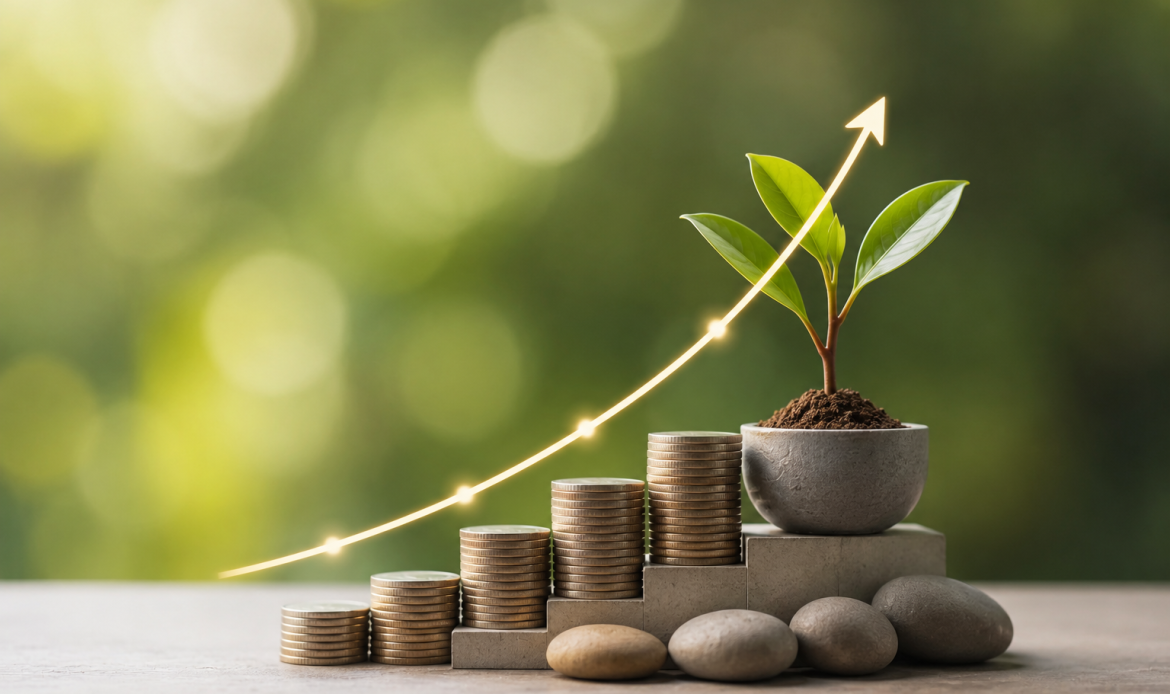
The search for the best return mutual fund should not be about finding one fund with the highest historical number. It should be about finding investments that fit your goals, risk tolerance, investment horizon, and overall financial plan.
A disciplined strategy can help you focus on what matters over the long term instead of reacting to every market movement. With proper planning and periodic reviews, mutual funds can become an important part of a broader wealth-building strategy.
Conclusion: Choose the Best Return Mutual Fund for Your Goal
The best return mutual fund is not necessarily the fund with the highest past return. A better choice is one that fits your financial objective, risk profile, time horizon, and overall investment strategy. Investors should consider performance consistency, benchmark comparison, portfolio quality, costs, and market risk before making a decision.
MintWise can help investors build a goal-based mutual fund investment plan instead of relying on return-chasing. The right strategy starts with understanding your goal and then selecting investments that support it.
Start Your Investment Journey with MintWise Today
Whether you’re a first-time investor or looking to grow your wealth, MintWise offers expert advice and goal-based investment solutions tailored to your needs.
Plan your finances with a personalized approach designed around your goals. Get started by reaching out to the team.
Frequently Asked Questions (FAQs)
Which is the best return mutual fund?
There is no single best return mutual fund for everyone. The suitable choice depends on your investment goal, risk profile, time horizon, and the fund’s overall performance and portfolio.
Should I choose a mutual fund based only on returns?
No. Historical returns are only one factor. Investors should also consider risk, consistency, benchmark performance, portfolio quality, expenses, and suitability.
Are high-return mutual funds risky?
Funds with higher return potential can carry higher levels of risk, particularly in equity-oriented categories. Investors should select investments according to their risk capacity and financial goals.
Can MintWise help me select mutual funds?
Yes. MintWise offers mutual fund advisory and goal-based financial planning, including goal assessment, risk profiling, portfolio construction, fund selection, and ongoing review.
How Can I Choose a Mutual Fund for Long-Term Wealth Creation?
Start by defining your financial goal, investment horizon, and risk profile. Then compare the fund’s historical performance, consistency, portfolio, benchmark, expenses, and risk before investing.