
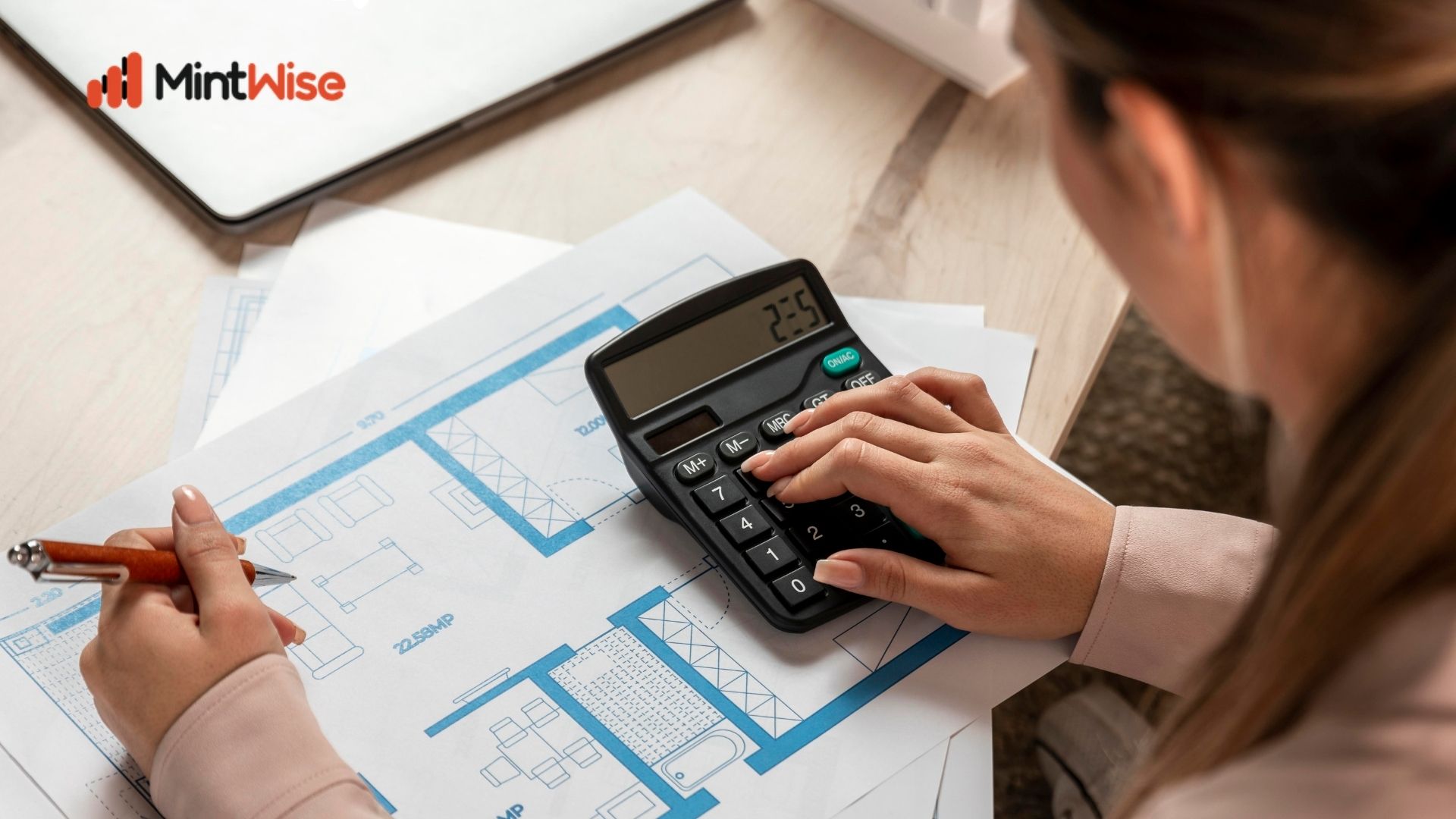

A house planning calculator in India can give you a starting point for understanding how much you may need to prepare for your home goal. However, successful home planning is not only about calculating a number. It involves understanding your budget, timeline, savings capacity, loan affordability, and investment strategy.
Buying a home is a major financial decision. However, the property price is not the only cost. You may also need to pay for the down payment, registration, interiors, maintenance, and loan repayments. This is why planning your home purchase early can help you avoid unnecessary financial pressure.
At MintWise, financial planning is approached around specific goals. Whether you are saving for a home, retirement, education, or another major milestone, connecting your savings and investments with a clear objective can make your financial journey more structured.
House Planning Calculator in India: Start with Your Home Goal
Before looking at properties, first understand your financial goal. A house planning calculator in India can help you estimate how much you may need. However, good home planning involves more than calculating one number.
You should also consider your budget, timeline, savings, loan affordability, and other financial goals. Therefore, starting with a clear plan can make your home-buying journey easier.
Define the Home You Want
First, think about the type of home you want. Consider the location, property type, approximate size, and your lifestyle needs.
For example, a home in a prime location may cost more than a similar property in another area. Therefore, having a clear idea can help you set a more realistic financial goal.
Decide When You Want to Buy
Next, decide when you want to buy your home. Your timeline plays an important role in your financial plan.
For instance, buying a home within three years requires a different approach than buying after ten years. As a result, your savings and investment strategy should match your timeline.
Set a Comfortable Budget
Your home budget should not depend only on the loan amount offered by a lender. Instead, consider your income, current expenses, savings, and other financial goals.
Moreover, choose a budget that allows you to manage your EMI comfortably. This can reduce financial stress in the future.
What Should You Include in Your Home Purchase Budget?
The property price is only one part of the total cost. Several additional expenses can affect the amount you ultimately need.
Down Payment
Most homebuyers need to arrange a portion of the property cost from their own resources. Starting this fund early can reduce the pressure of arranging a large amount at the last moment.
Registration and Other Charges
Stamp duty, registration, brokerage, legal expenses, and other transaction-related costs can add significantly to your initial requirement. These should be included in your overall home budget.
Interior and Setup Costs
Moving into a new home may involve furniture, appliances, painting, renovation, and other setup expenses. Keeping a separate provision for these costs can make your purchase financially smoother.
Emergency Fund
Avoid putting all your available savings into the home purchase. Maintaining an emergency fund can provide financial support if unexpected expenses arise after buying the property.
House Planning Calculator in India: Plan Your Down Payment Early
The down payment is often one of the biggest challenges for first-time homebuyers. Starting early can make it easier to build this amount without disrupting your regular finances.
Break the Goal into Smaller Targets
Instead of thinking about a large down payment as one huge amount, divide it into annual or monthly targets. This makes the goal easier to track and manage.
Increase Savings as Your Income Grows
Salary increases, bonuses, or additional income can provide opportunities to increase your home savings. Even periodic increases can make a meaningful difference over a longer timeline.
Keep Your Home Fund Separate
A dedicated home fund can help you monitor your progress and avoid accidentally spending money meant for your property goal.
How to Build a Home Buying Investment Strategy
Saving alone may not always be enough for a long-term home goal. Your investment approach should reflect the time remaining before you need the money.
For Longer-Term Goals
If your home purchase is several years away, you may consider suitable growth-oriented investments based on your risk profile and financial circumstances.
For Shorter-Term Goals
When the purchase date is approaching, protecting the money you have accumulated becomes increasingly important. Your asset allocation can be reviewed to reduce unnecessary exposure to market volatility.
Review Your Strategy Regularly
Your income, property budget, savings, and purchase timeline can change. Regular reviews help you identify whether your current strategy still matches your home-buying goal.
House Planning in India: Don’t Forget Property Price Inflation

A property that costs ₹50 lakh today may cost considerably more several years from now. Location, demand, infrastructure development, and broader economic conditions can all influence property prices.
This does not mean you should assume a specific rate of property appreciation. Instead, create different scenarios and leave some flexibility in your financial plan.
Planning with a buffer can help protect you from being caught unprepared if the property you eventually choose costs more than your original estimate.
Home Loan Planning: Borrow Without Stretching Your Budget
Before taking a home loan, using a house planning calculator in India can help you assess your expected home budget and prepare for the associated costs.
Check Your EMI Affordability
Your monthly EMI should fit comfortably within your income after accounting for essential expenses, investments, insurance, and other commitments.
Consider the Total Loan Cost
Don’t focus only on the EMI. Consider the interest paid over the full loan period and understand how the loan affects your overall financial position.
Keep Other Goals on Track
Buying a home should not completely stop retirement investing or emergency savings. A balanced approach can help you work toward homeownership without sacrificing long-term financial security.
House Planning Calculator in India: Balance Home and Other Goals
A home may be an important goal, but it is rarely the only financial goal a family has.
Retirement Planning
Continue building your retirement corpus even while saving for your home. Delaying retirement investments for too long can make it harder to catch up later.
Child Education
If you have children, education planning should remain part of your overall financial strategy. Your home purchase should not completely consume the resources needed for their future education.
Insurance Protection
Adequate life and health insurance can provide financial protection while you take on a large long-term liability such as a home loan.
A Simple Home Planning Roadmap
Instead of making the process complicated, follow a step-by-step approach.
Step 1: Define Your Home Goal
Identify the type of property, preferred location, and approximate budget.
Step 2: Set Your Timeline
Decide when you realistically want to purchase the property.
Step 3: Estimate the Total Requirement
Include the down payment, registration charges, interiors, moving costs, and an emergency buffer.
Step 4: Calculate Your Savings Target
Determine how much you can comfortably save or invest each month toward the home goal.
Step 5: Select a Suitable Strategy
Choose investments based on your timeline, financial situation, and risk profile.
Step 6: Review and Adjust
Revisit your plan as your income, property prices, and financial responsibilities change.
Common Home-Buying Mistakes to Avoid
Buying Based Only on Loan Eligibility
A bank’s loan eligibility does not automatically mean that the corresponding EMI is comfortable for your household budget.
Using All Your Savings for the Down Payment
Keeping no emergency reserve after buying a home can leave you financially vulnerable to unexpected expenses.
Ignoring Additional Costs
Registration, interiors, maintenance, brokerage, and moving expenses can increase the actual cost of buying a home.
Stopping All Investments
Pausing every other financial goal to purchase a home may create problems later, particularly for retirement.
Planning Only With Today’s Property Price
If you plan to buy several years from now, your target should have some flexibility for potential price changes.
House Planning Calculator in India: A Simple Example
Suppose you want to purchase a home currently priced at ₹60 lakh and plan to buy it after five years.
Rather than simply targeting today’s ₹60 lakh price, consider your expected down payment, transaction costs, interiors, emergency reserve, and the possibility that property prices may change before your purchase.
Your objective should be to create a home-buying corpus that gives you flexibility rather than relying on one exact future number.
For example, if you aim to build ₹20 lakh for your initial home requirement, divide the target across the available years and determine a realistic monthly investment amount. Review this amount periodically as your income and target property change.
How MintWise Can Help You Plan Your Dream Home
At MintWise, home planning can be approached as a structured financial goal rather than simply a savings target.
Goal-Based Financial Planning
Connecting your home purchase with a specific financial target can help you understand what you need to save and by when.
Investment Planning
Your investment strategy can be structured according to your timeline, financial capacity, and risk profile rather than relying on random savings decisions.
Better Financial Visibility
Understanding your home goal alongside retirement, education, insurance, and other priorities can help you make more balanced financial decisions.
Conclusion
Buying a home is a big financial decision. Good planning can help you make it with confidence. A house planning calculator in India can give you an initial idea of the amount you may need, but successful home planning goes beyond estimating the property cost. Your down payment, registration charges, interiors, home loan, emergency fund, and other financial goals should all be considered before making a decision.
Starting early gives you more time to build your home fund through disciplined saving and investing. As your income, property budget, and timeline change, regularly reviewing your strategy can also help you stay on track without putting unnecessary pressure on your finances.
At MintWise, the focus is on goal-based financial planning that helps you connect your home-buying dream with a practical investment strategy. By planning your savings, investments, and loan affordability together, you can work toward owning your dream home while continuing to protect your long-term financial future.
Start Your Investment Journey with MintWise Today
Whether you’re a first-time investor or looking to grow your wealth, MintWise offers expert advice and goal-based investment solutions tailored to your needs.
Plan your finances with a personalized approach designed around your goals. Get started by reaching out to the team.
Frequently Asked Questions (FAQs)
What is a House Planning Calculator in India?
A House Planning Calculator in India can help you estimate the financial requirement for a future home based on factors such as property cost, timeline, savings, and other related expenses.
How much should I save before buying a house?
The amount depends on your property budget, down payment requirement, transaction costs, emergency fund, and financial situation. It is important to avoid using all your available savings for the purchase.
Should I invest while saving for a house?
Depending on your timeline and risk profile, investing may be considered as part of a home-saving strategy. The investment choice should match the time when you expect to need the money.
How can I plan for a home down payment?
Set a target based on your expected property cost, divide it according to your timeline, and invest or save regularly. Increasing contributions as your income grows can also help.
Should buying a home affect my retirement planning?
Ideally, your home purchase should be balanced with retirement and other long-term goals. Completely stopping retirement investments for several years may create a future funding gap.