

Want to Travel More? Build Your Travel Savings Goal Now
Planning your dream vacation is exciting but turning that dream into reality requires the right financial planning. A travel savings goal can help you estimate your total trip expenses, decide how much you need to save, and set a realistic timeline for your journey. Whether you are planning a relaxing beach holiday, a family vacation, a weekend getaway, or an international adventure, starting early can make your goal easier to achieve. With a clear savings plan, you can enjoy your trip with greater confidence without putting unnecessary pressure on your emergency fund, investments, or other financial goals.
At MintWise, we believe financial planning should also support the experiences that matter to you. Whether you dream of a relaxing beach holiday, an international adventure, or a family trip, planning your finances in advance can help you travel with greater confidence while keeping your other financial goals on track.
Why a Travel Savings Goal Can Make Your Dream Trip Easier
Saving without a specific purpose can make it difficult to stay motivated. When you have a clear destination and timeline, every contribution brings you one step closer to your journey.
Turn Your Dream Destination Into a Financial Target
Start by deciding where you want to travel and what type of experience you want. A weekend getaway, international holiday, or luxury vacation will each require a different financial plan.
Avoid Last-Minute Financial Stress
Planning ahead can reduce the need to depend heavily on credit cards or loans. A dedicated travel fund gives you greater freedom to enjoy your trip without worrying about expenses later.
Keep Other Financial Goals Protected
Your emergency fund, retirement savings, and long-term investments should not be disrupted for a holiday. A separate travel fund can help you enjoy your trip while maintaining financial balance.
Travel Savings Goal: Know the True Cost of Your Trip
One of the biggest planning mistakes is focusing only on flight or hotel costs. A realistic travel budget should cover the complete experience.
Transportation and Accommodation
Include flights, trains, local transport, hotels, and airport transfers. Booking preferences and the season of travel can significantly affect these costs.
Food, Activities, and Experiences
Restaurant meals, sightseeing, adventure activities, shopping, and entertainment can form a major part of your travel budget. Estimating these expenses early can prevent overspending during the trip.
Emergency and Extra Expenses
Unexpected costs can arise while travelling. Keeping a small financial buffer can help you handle emergencies or unplanned experiences without disturbing your main budget.
Build Your Travel Savings Goal Around a Timeline
Your travel date plays an important role in deciding how much you need to save regularly.
Travelling Within One Year
For a short timeline, focus on building the required amount while maintaining liquidity and avoiding unnecessary financial risk. Your priority should generally be ensuring the money is available when needed.
Planning a Trip Two to Five Years Away
A longer timeline may provide more flexibility in how you save and invest, depending on your risk profile and financial situation. Regular contributions can help you build the required travel fund gradually.
Planning a Long-Term Dream Journey
If your travel dream is several years away, starting early gives you more time to prepare. You can review your target periodically as travel costs and your preferences change.
A Simple Travel Savings Strategy That Works
Instead of putting away whatever money remains at the end of the month, make your travel plan intentional.
Save First, Then Spend
Consider setting aside a fixed amount for your travel goal when you receive your income. This can help you build consistency rather than relying only on leftover money.
Create a Separate Travel Fund
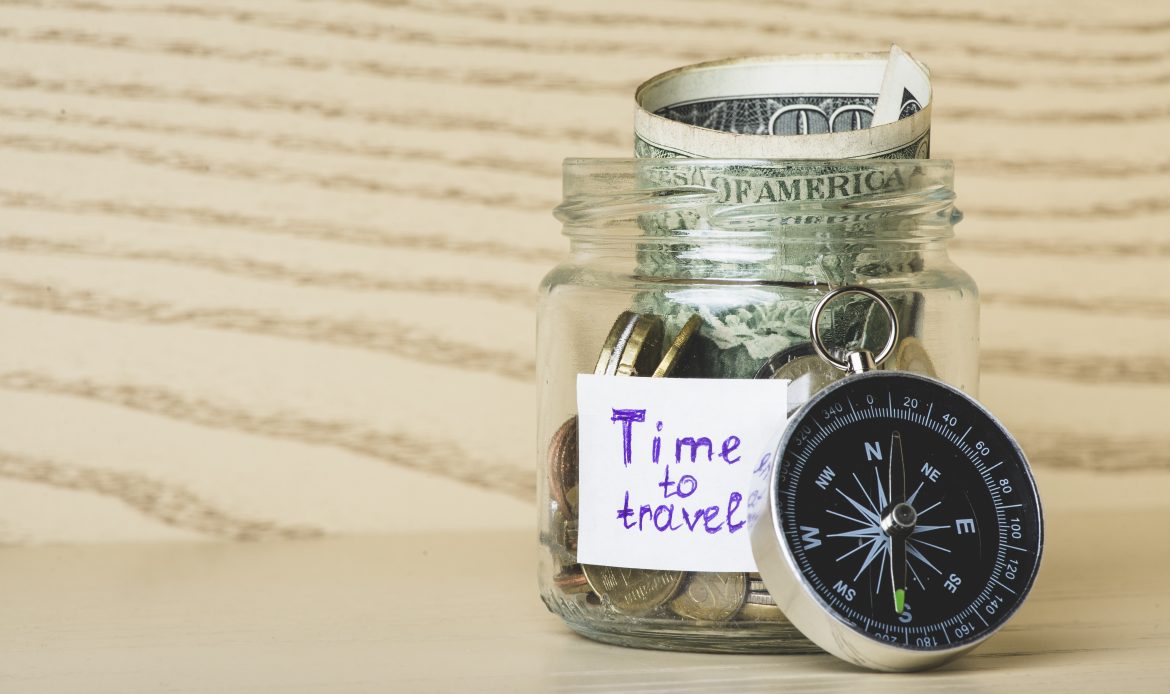
Keeping travel savings separate from your regular bank balance can make it easier to track progress. It can also reduce the temptation to spend the money on everyday purchases.
Use Windfalls to Boost Your Goal
Bonuses, incentives, gifts, or additional income can help accelerate your progress. You do not need to allocate everything, but directing a portion towards your trip can bring the travel date closer.
Travel Savings Goal: Smart Ways to Reach Your Target Faster
You may not need to make drastic lifestyle changes to build your travel fund. Small, consistent actions can create meaningful progress.
Track Your Monthly Spending
Review where your money goes each month and identify unnecessary expenses. Redirecting even a small amount regularly towards travel can help build your fund over time.
Plan Your Travel During Your Budget-Friendly Season
Travel costs can vary depending on demand and timing. Flexible travel dates may help you find better prices and reduce the amount you need to save.
Increase Your Savings Gradually
As your income increases, consider increasing your travel contribution. A small step-up in savings can help you reach your destination without creating pressure on your monthly budget.
Choose the Right Way to Hold Your Travel Fund
Your approach should depend mainly on how soon you plan to travel and your comfort with financial risk.
Short-Term Travel Plans
When your trip is approaching, protecting the money and keeping it accessible may become more important than seeking higher returns. Avoid taking unnecessary risks with money you will soon need.
Longer-Term Travel Dreams
For a goal that is several years away, some individuals may consider investment options that align with their time horizon and risk profile. The focus should remain on balancing growth potential with your ability to handle market fluctuations.
Review Your Strategy as the Trip Gets Closer
As your travel date approaches, review whether your savings are on track. You may need to adjust your monthly contribution or reduce financial risk depending on your circumstances.
Common Mistakes That Can Delay Your Dream Vacation
Knowing what to avoid can be just as useful as knowing where to save.
Saving Without a Clear Target
A vague goal such as “save for a holiday” may be difficult to follow. Define your destination, estimated budget, and expected travel date.
Ignoring Small Travel Expenses
Visa charges, travel insurance, local transport, baggage, and other smaller expenses can add up. Include them in your overall budget from the beginning.
Using Your Emergency Fund for Travel
An emergency fund is designed for unexpected financial situations. Using it for a planned vacation can leave you financially vulnerable when a genuine emergency occurs.
Booking Before You Are Financially Ready
Exciting offers can encourage impulsive bookings. Before committing, make sure the trip fits comfortably within your available travel budget.
Travel Savings Goal: Follow This Practical Action Plan
Step 1: Choose your destination
Decide where you want to go and the type of travel experience you want.
Step 2: Estimate your complete trip budget
Include transport, accommodation, food, activities, shopping, and a buffer for unexpected costs.
Step 3: Set your travel timeline
Decide when you want to travel and calculate how much time you have to prepare.
Step 4: Set a monthly saving target
Divide your estimated requirement into manageable regular contributions based on your financial capacity.
Step 5: Keep your travel money separate
A dedicated fund can help you monitor progress and avoid spending your travel savings elsewhere.
Step 6: Review and adjust
Check your progress regularly and increase your contributions if travel costs or your plans change.
How MintWise Can Help You Plan Your Travel Savings Goal
A meaningful travel experience should not come at the cost of your long-term financial security. At MintWise, financial planning can help you balance lifestyle goals with important priorities such as retirement, emergency savings, insurance, and investments.
Personalised Goal Planning
Your travel goal can be considered alongside your income, savings capacity, timeline, and other financial commitments. This can help create a strategy that feels practical rather than restrictive.
A Balanced Financial Approach
A travel plan should work alongside your broader financial life. The aim is to enjoy your trip without compromising important long-term goals.
Regular Progress Reviews
Travel costs and personal plans can change. Reviewing your strategy regularly can help you stay prepared and make adjustments before your trip.
Conclusion: Turn Your Travel Dreams into a Financial Plan
A well-defined travel savings goal can transform a dream trip from an uncertain expense into an achievable financial objective. By estimating your complete travel cost, setting a realistic timeline, saving consistently, and keeping your travel fund separate, you can prepare for your journey without unnecessary financial pressure.
The best time to start planning is before you book your tickets. With a clear strategy and goal-based planning support from MintWise, you can work towards your dream vacation while protecting your other important financial priorities.
Start Your Investment Journey with MintWise Today
Whether you’re a first-time investor or looking to grow your wealth, MintWise offers expert advice and goal-based investment solutions tailored to your needs.
Talk to our financial experts, explore investment options, or Contact Us to create a personalized financial plan that works for you.
Frequently Asked Questions (FAQs)
What is a Travel Savings Goal?
A Travel Savings Goal is a planned financial target created to save money for a future trip. It helps you estimate expenses, set a timeline, and save regularly for your travel plans.
How much should I save for a vacation?
The amount depends on your destination, travel duration, accommodation, transportation, activities, and personal spending preferences. Start by creating a complete estimated budget.
When should I start saving for travel?
Ideally, start as soon as you decide on your travel goal. Starting early gives you more flexibility and can reduce the amount you need to save each month.
Should I keep travel savings separate from my emergency fund?
Yes. A separate travel fund can help protect your emergency savings and make it easier to track progress towards your vacation.
Can I invest money for a future travel goal?
It depends on how far away your travel date is, your risk tolerance, and your overall financial situation. Short-term goals generally require greater focus on liquidity and avoiding unnecessary risk.